DIY Boat Cleaning: Expert Tips for Maintaining Your Vessel Between Details


Maintaining your boat between professional detailing sessions is essential for preserving its beauty and functionality. With the right DIY approach, you can keep your vessel looking pristine while extending its lifespan. Here are some expert tips to help you manage the upkeep of your boat.
Regular Cleaning Routine
A consistent cleaning schedule is crucial. Begin by rinsing your boat with fresh water after each use to remove salt, dirt, and debris. Saltwater can be particularly corrosive, so this step is vital in preventing damage. Use a soft brush and mild soap to scrub the surfaces gently.
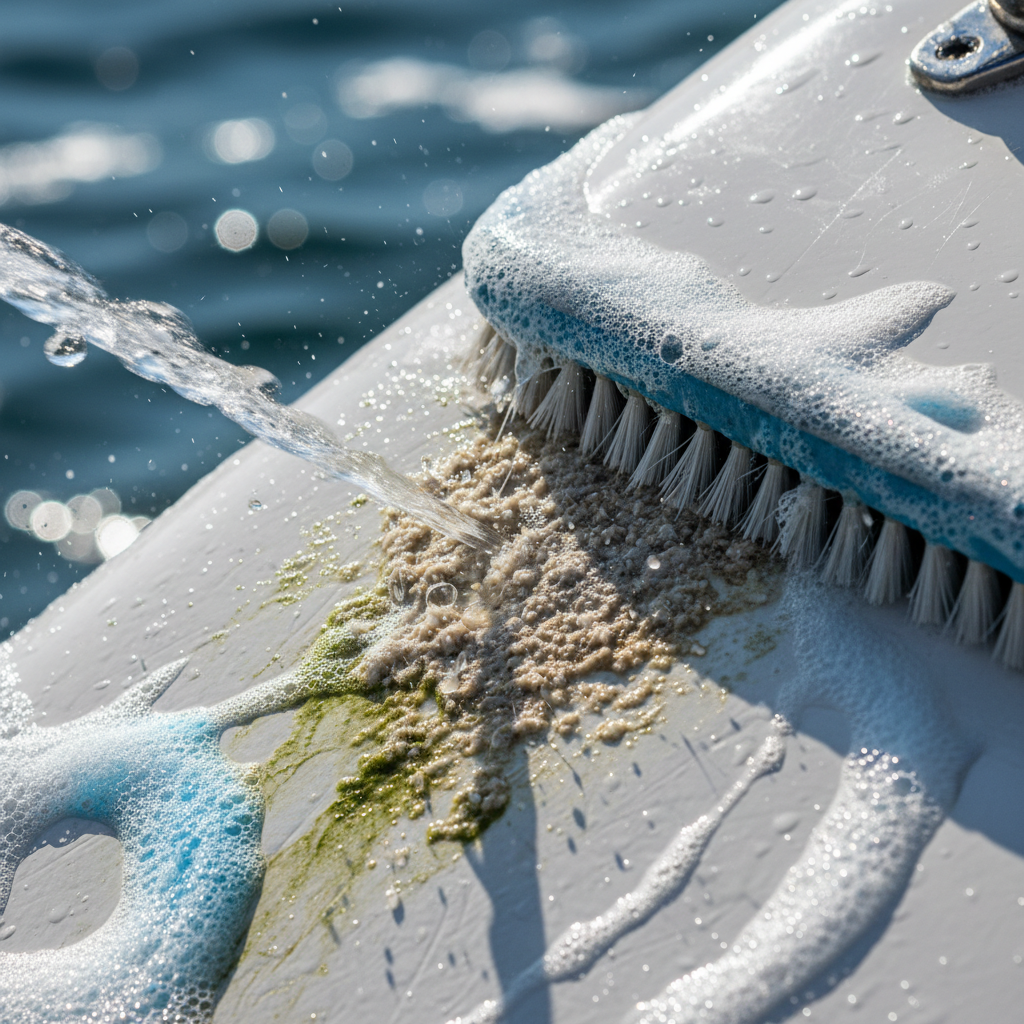
Make sure to clean the deck thoroughly. Pay extra attention to non-skid areas, as dirt can accumulate quickly. A non-skid deck cleaner will help you tackle stubborn grime without damaging the surface.
Protecting the Hull
The hull of your boat requires special attention. Start by inspecting it regularly for any signs of damage or algae growth. Applying a high-quality marine wax every few months will protect the hull from UV rays and water damage.
For a deeper clean, use a hull cleaner specifically designed for your boat’s material. This ensures that the cleaner effectively removes stains without causing harm. Always follow the manufacturer's instructions for the best results.
Interior Maintenance
Don’t forget about the interior of your vessel. Vacuum carpets and upholstery regularly to remove dirt and sand. For vinyl seats, use a marine-grade vinyl cleaner and protectant to prevent cracks and fading.
Check for any signs of mildew or mold, especially in damp areas. A mixture of vinegar and water can be an effective solution for cleaning these spots and keeping them at bay.

Engine Care
The engine is the heart of your boat, and keeping it in top shape is crucial. Flush the engine with fresh water after each outing to remove salt and debris. Regularly check and change the oil, fuel filters, and spark plugs based on the manufacturer's recommendations.
Inspect belts and hoses for any signs of wear or damage. Keeping spare parts on hand is a good practice to ensure you’re prepared for any unexpected issues.
Final Touches
Finally, cover your boat when it’s not in use. A high-quality cover protects against environmental elements like sun, rain, and dust. This simple step can significantly reduce the wear and tear on your vessel.
By following these DIY boat cleaning tips, you can maintain your vessel effectively between professional detailing sessions. Not only will this keep your boat looking great, but it will also ensure it remains in excellent condition for years to come.