The Ultimate Guide to Marine Detailing: Tips from the Pros


Understanding Marine Detailing
Marine detailing is an essential practice for boat owners who want to keep their vessels in pristine condition. Unlike standard car detailing, marine detailing involves specialized techniques and products designed to withstand the harsh marine environment. Whether it's battling saltwater corrosion or sun damage, understanding the nuances of marine detailing can significantly extend the lifespan of your boat.
Essential Tools and Products
A successful marine detailing session begins with the right tools and products. High-quality marine-specific cleaners, waxes, and polishes are crucial. Look for products designed to protect against UV rays and saltwater. Additionally, ensure you have a selection of brushes, microfiber towels, and buffers to tackle different surfaces.
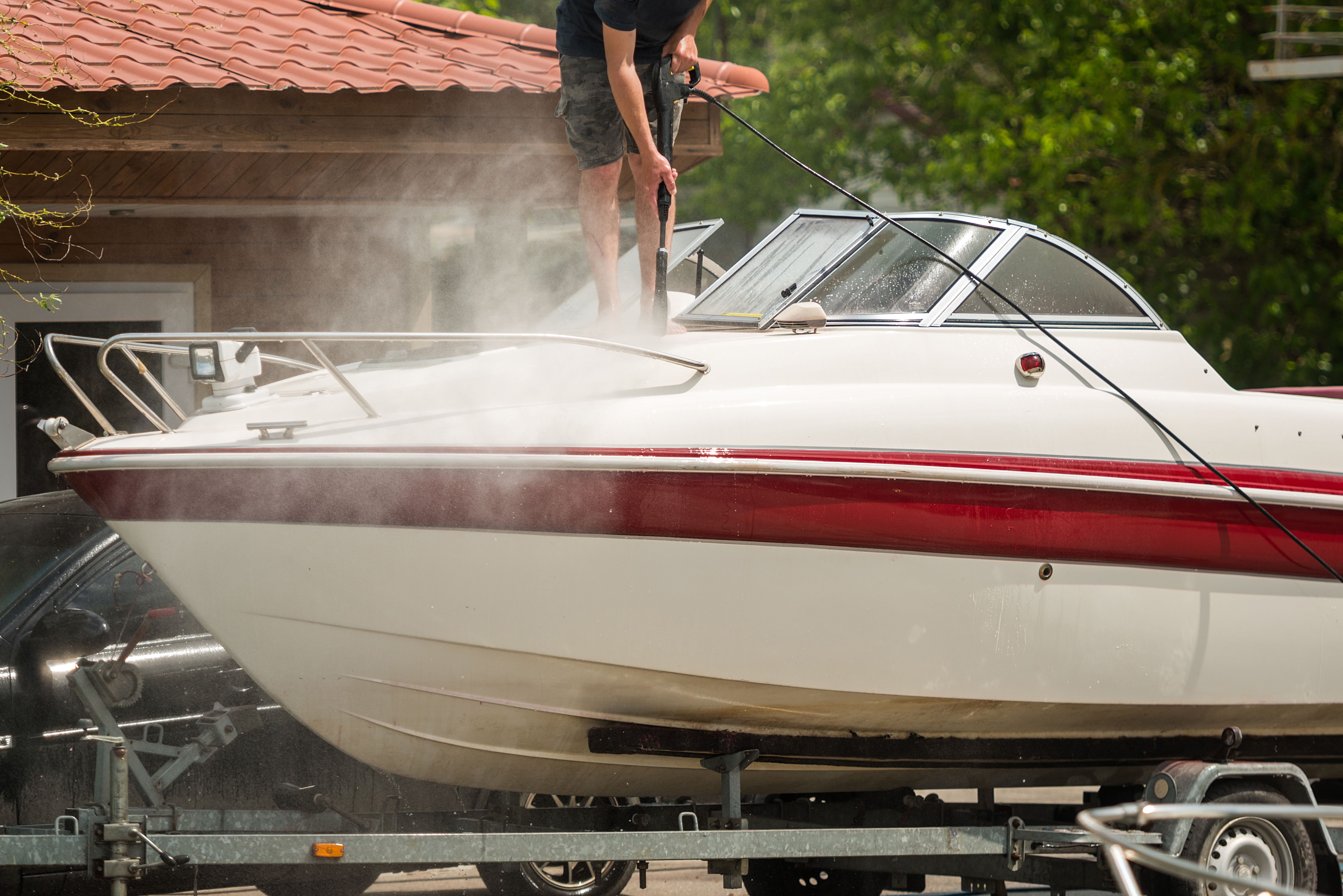
Investing in a high-pressure washer can be beneficial for removing stubborn grime and barnacles. Remember, using the wrong tools can result in scratches or damage, so always choose equipment that is gentle yet effective.
Step-by-Step Detailing Process
To achieve the best results, follow a structured detailing process:
- Rinsing: Start by thoroughly rinsing your boat to remove loose dirt and salt.
- Washing: Use a marine-grade soap to clean the surface. Avoid household detergents as they can strip away protective coatings.
- Polishing: Polish the surface to restore shine and remove oxidation. Use a dual-action polisher for even results.
- Waxing: Apply a high-quality marine wax to protect the surface from UV rays and saltwater.
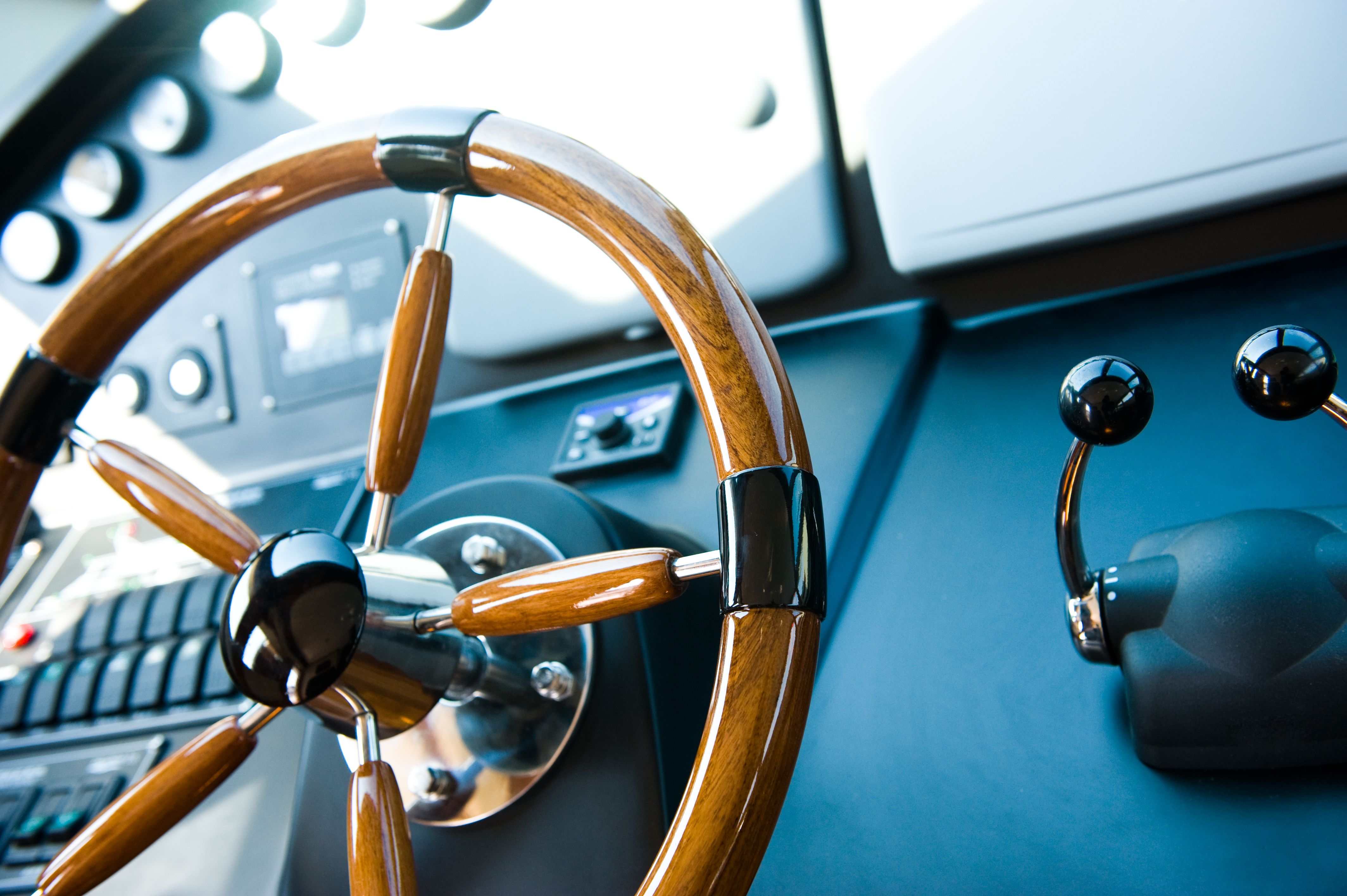
- Detailing the Interior: Don’t forget the interior. Use appropriate cleaners for upholstery, glass, and metal fixtures.
Pro Tips for Perfect Results
Professionals often emphasize the importance of working in a shaded area to prevent cleaning products from drying too quickly. This ensures you have sufficient time to work them into the surface for optimal results. Additionally, tackle small sections at a time to maintain control and precision.
Another tip from the pros is to regularly maintain your boat between detailing sessions. This includes quick rinses and spot cleaning to prevent buildup of dirt and grime.
Common Mistakes to Avoid
Avoiding common mistakes can save you time and money. One frequent error is overlooking the importance of rinsing off cleaning agents thoroughly. Residue can lead to streaks and spots, detracting from your boat’s appearance. Also, avoid using abrasive materials that can scratch surfaces.
Why Regular Detailing is Worth the Investment
Regular marine detailing is more than just an aesthetic choice. It protects your investment by preventing long-term damage from environmental factors. Moreover, a well-maintained boat retains its value better and provides a more enjoyable experience for you and your passengers.
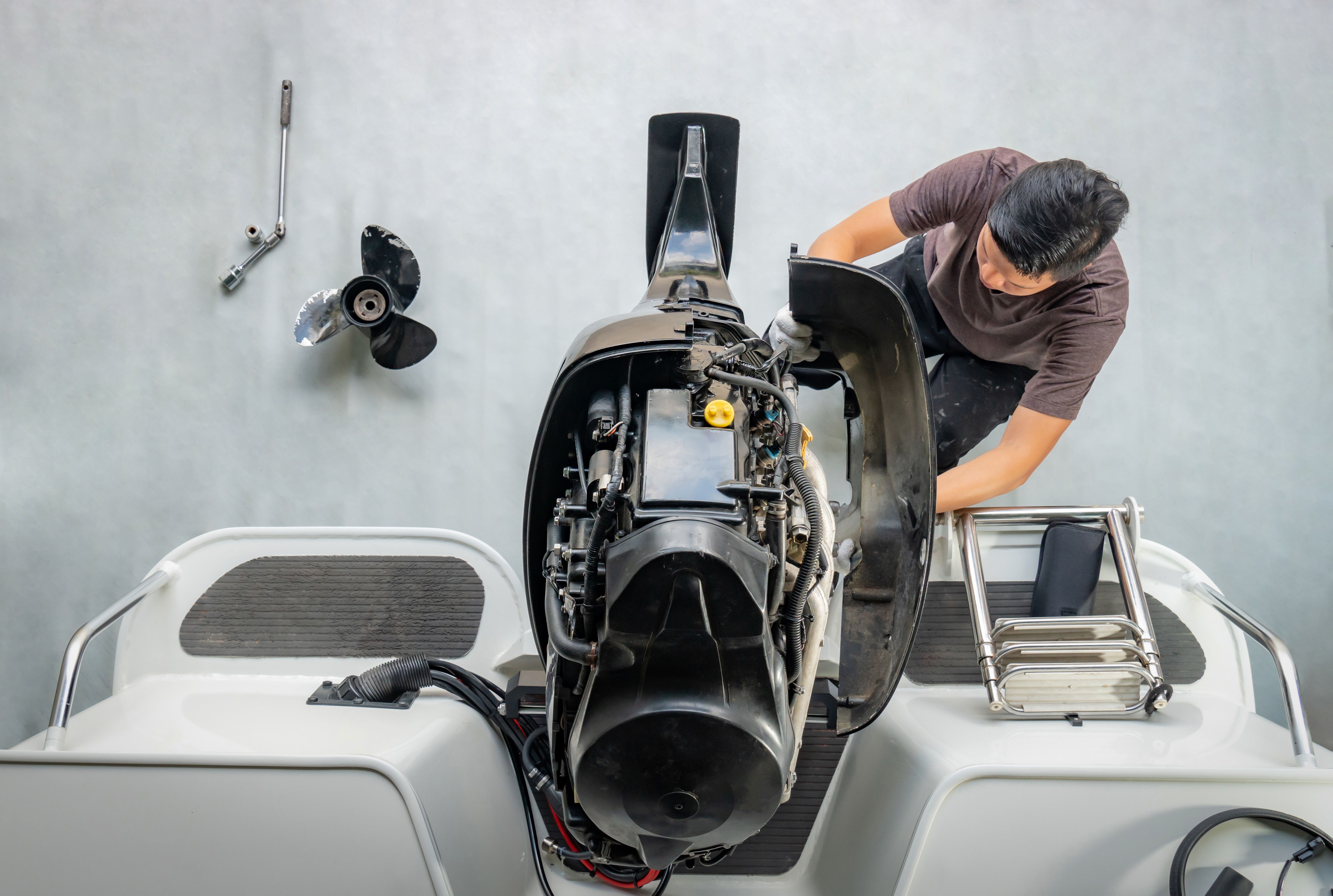
In addition, regular detailing can help identify potential issues early, allowing for timely repairs and maintenance. This proactive approach can save you from costly repairs down the line.
Conclusion: Elevate Your Detailing Game
By following these expert tips and maintaining a consistent detailing schedule, you can ensure your boat remains in top condition. Whether you're a seasoned sailor or a new boat owner, mastering the art of marine detailing can greatly enhance your boating experience.
With the right tools, techniques, and a little bit of elbow grease, you’ll keep your boat looking and performing its best for years to come.